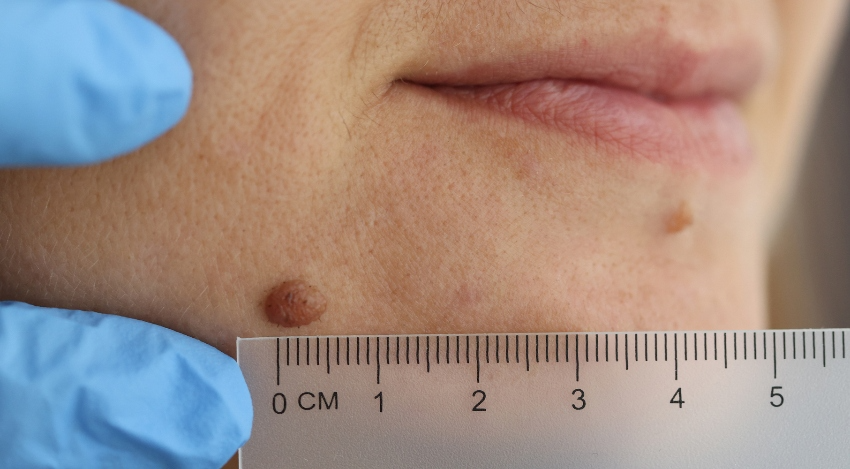
Skin cancer screening involves a thorough examination of the skin by a healthcare professional or self-examination to detect any suspicious moles or skin changes.
Process:
Self-Examination: Regularly check your skin for new moles or changes in existing moles using the ABCDE method (Asymmetry, Border, Color, Diameter, Evolving).
Professional Examination: Visit a dermatologist for a full-body skin exam, especially if you have risk factors (e.g., family history, fair skin).
Biopsy: If suspicious lesions are found, a biopsy may be performed to determine if cancer cells are present.
Benefits:
Early Detection: Identifying skin cancer at an early stage increases the chances of successful treatment.
Peace of Mind: Regular screenings can alleviate concerns about skin changes and promote proactive health management.
Education on Skin Health: Patients learn about sun protection and skin care, reducing the risk of skin cancer.
Summary
These treatments and procedures offer a variety of benefits for skin health and aesthetic improvement. From addressing vascular issues and unwanted fat to diagnosing allergies and skin cancer, understanding these options can help individuals make informed decisions about their skincare and health management. Always consult with a qualified healthcare professional to determine the best approach for your specific needs and conditions.
We use cookies to ensure that we give you the best experience on our website. If you continue to use this site we will assume that you are happy with it.